Tools & Materials
Proper tools and materials are essential for effective tree and shrub care. This overview covers equipment selection, use, and maintenance.
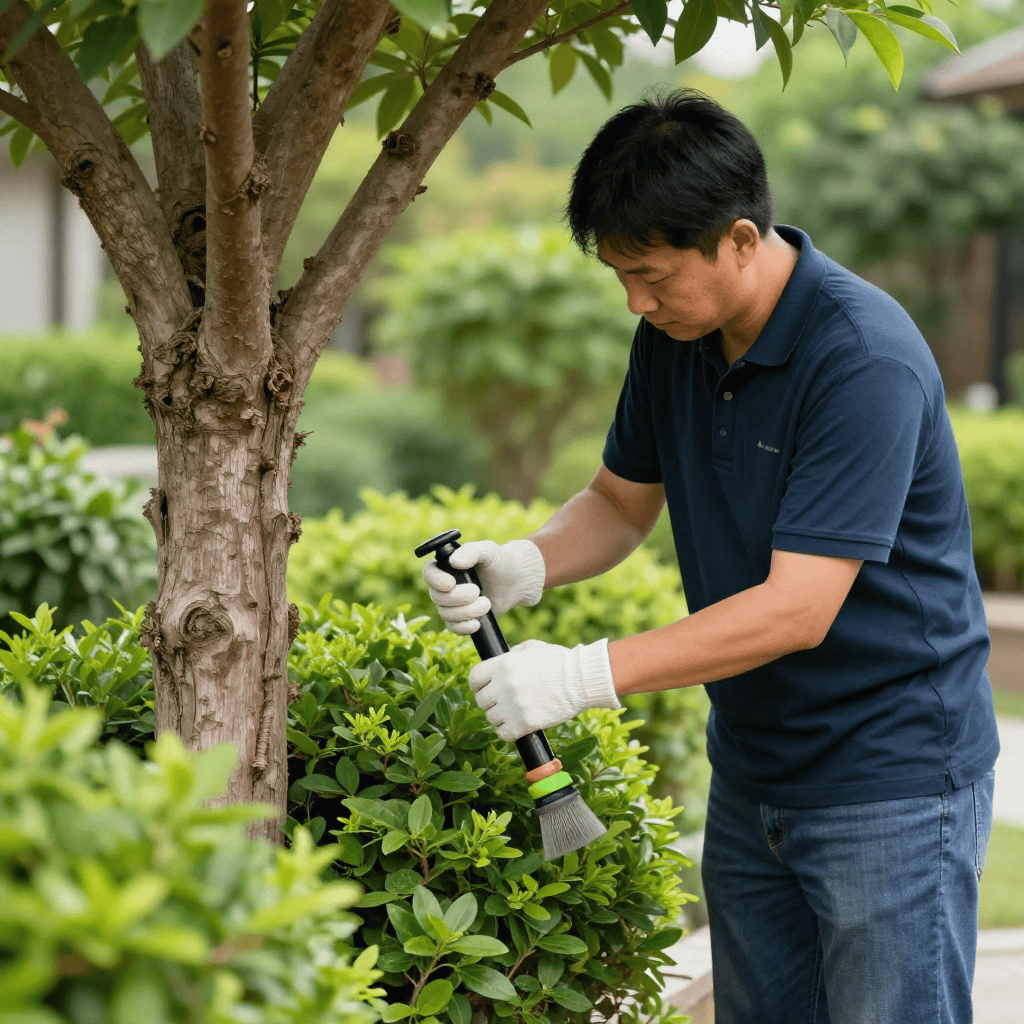
Hand Pruners
Bypass pruners use a scissor-like cutting action with two curved blades that pass each other. Suitable for live branches up to 2.5cm diameter. Anvil pruners have one sharp blade that cuts against a flat surface, better for dead wood removal.
Select pruners with comfortable grip and appropriate size for hand. Keep blades sharp and clean. Disinfect between plants when working with diseased material. Replace when blades become damaged or cannot maintain sharp edge.
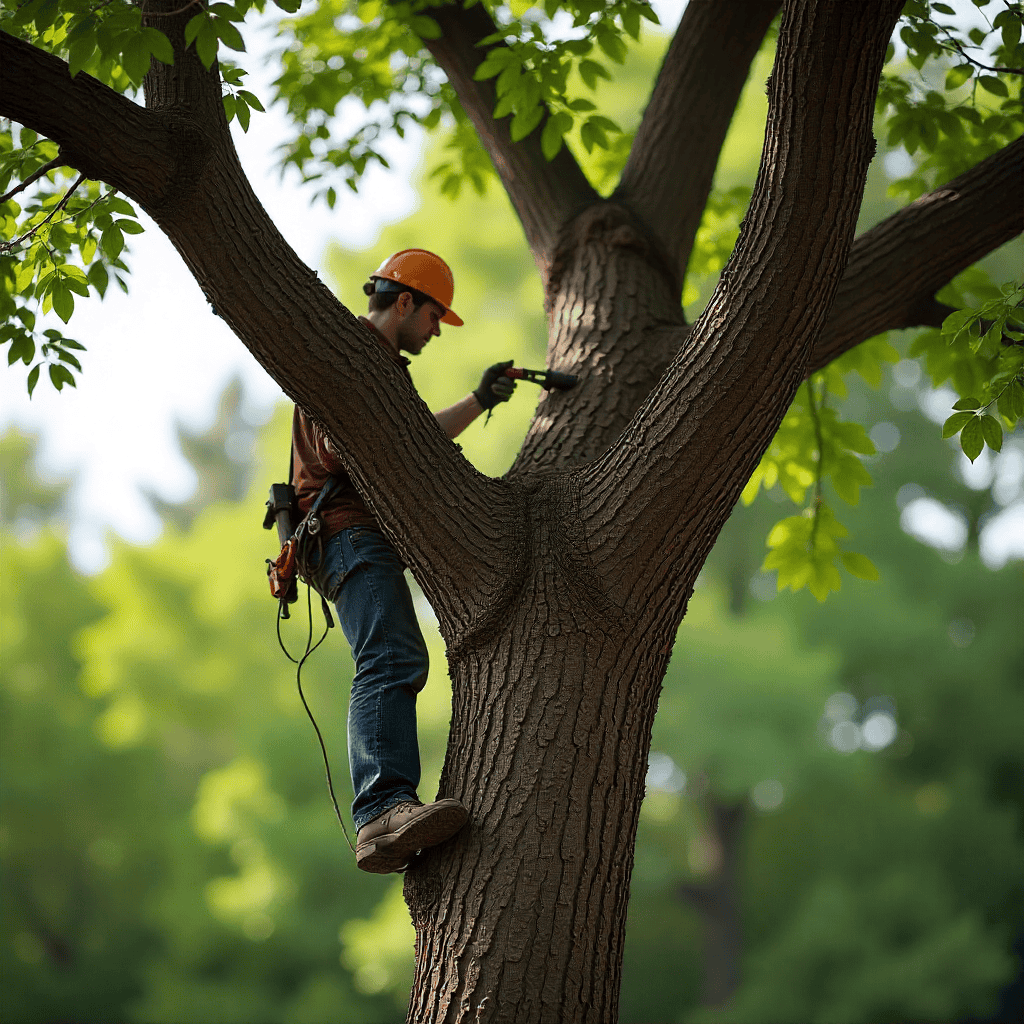
Loppers
Long-handled cutting tools providing leverage for branches up to 5cm diameter. Available in bypass and anvil styles. Longer handles provide more leverage but can be heavier and harder to maneuver in tight spaces.
Choose length based on reach needs and branch size. Ratcheting mechanisms can help with thicker branches. Maintain sharp blades and clean cutting surfaces. Check pivot points and handle condition regularly.
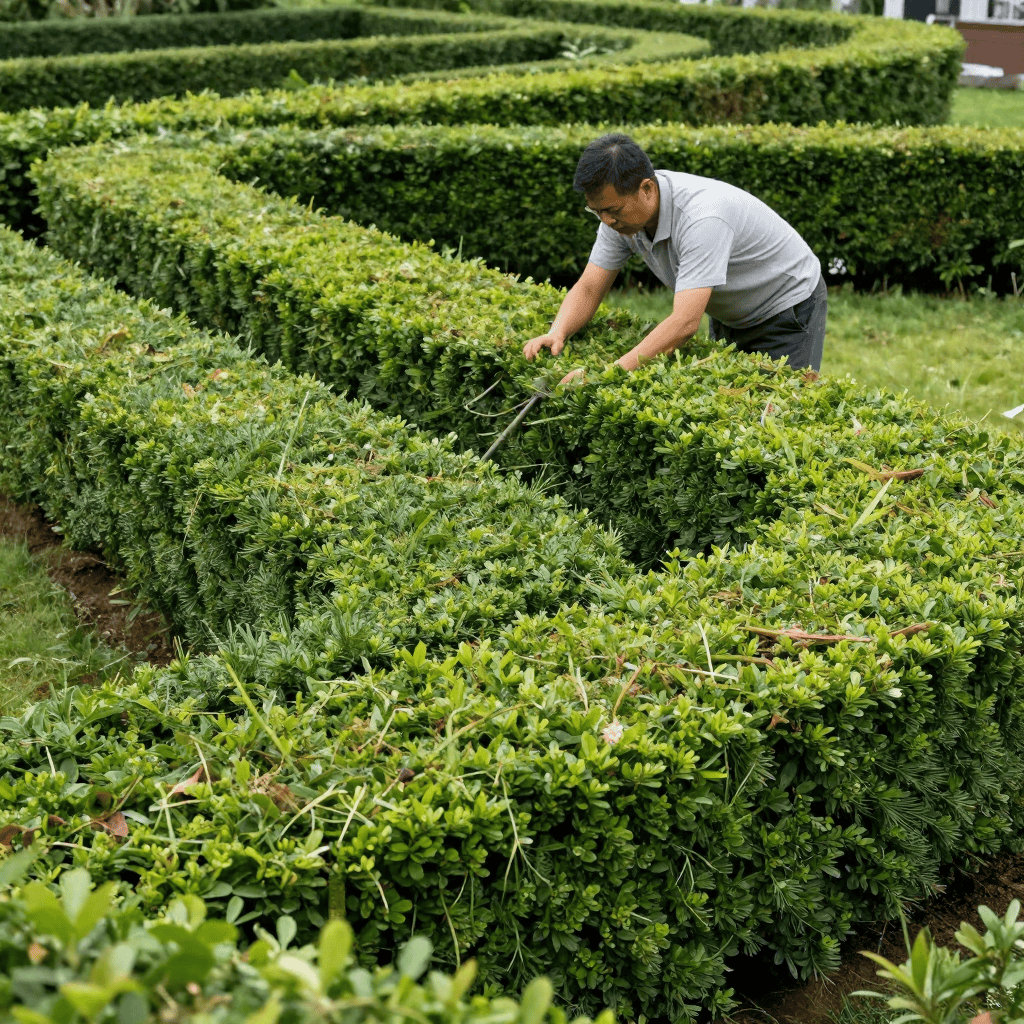
Pruning Saws
Specialized saws designed for cutting living wood. Curved blades and aggressive teeth cut efficiently on the pull stroke. Available in fixed-blade and folding designs. Blade lengths vary for different access needs.
Use appropriate blade length for branch size and access. Keep teeth sharp and clean. Fold or sheath blades when not in use for safety. Replace blades when teeth become dull or damaged beyond sharpening.
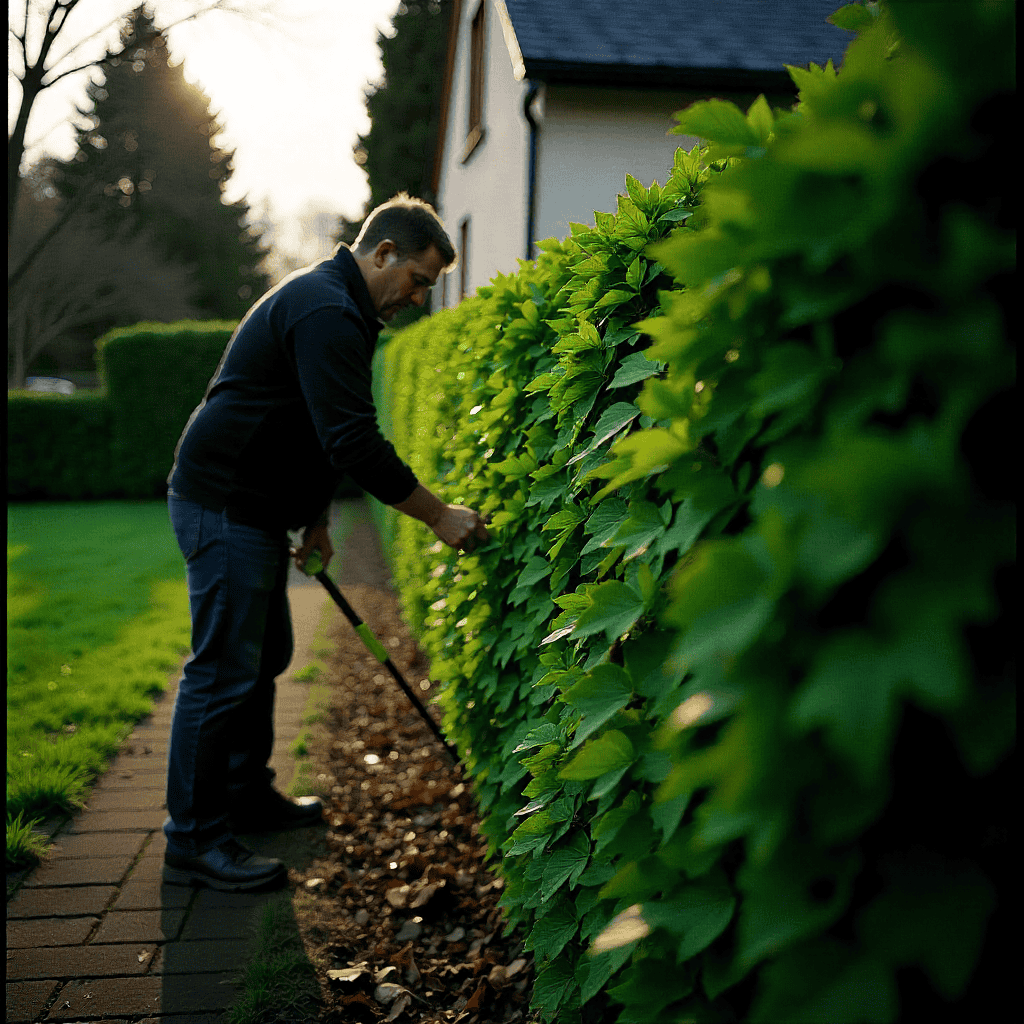
Hedge Trimmers
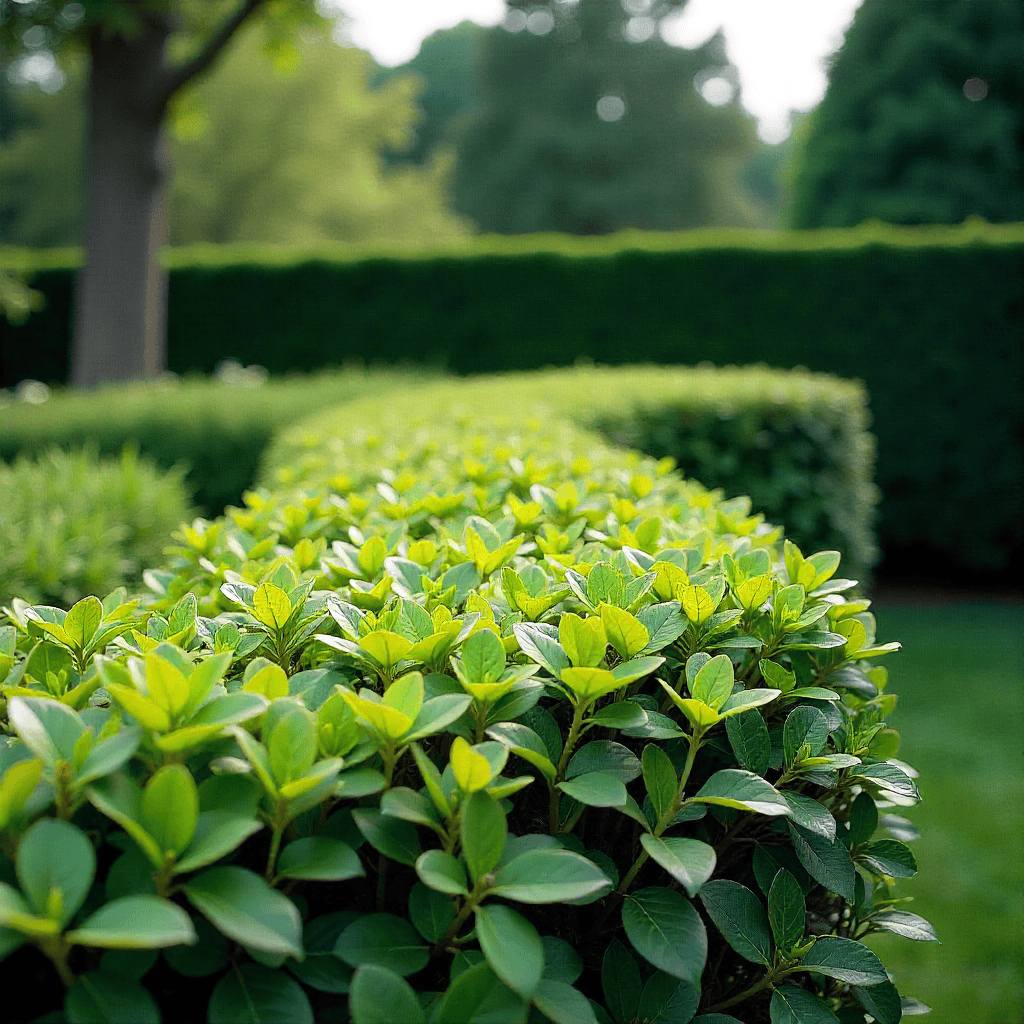
Manual or powered trimmers for shaping hedges and dense shrubs. Manual shears provide precision for smaller areas. Powered trimmers increase efficiency for larger hedges but require more skill to maintain even surfaces.
Select based on hedge size and maintenance frequency. Keep blades sharp and aligned. Clean after use, especially when working with sap-producing species. Maintain power equipment according to manufacturer guidelines.
Pole Pruners
Extended reach tools for branches beyond normal access. Available in manual and powered designs. Telescoping poles adjust to different heights. Cutting heads may be pruner-style or saw-style depending on branch size.
Use appropriate pole length for reach without excessive weight. Secure pole sections properly. Work carefully to maintain control at extended distances. Inspect pole condition and cutting head regularly.

Sharpening Tools
Files, stones, and guides for maintaining cutting edge quality. Sharp tools reduce plant stress, improve cut quality, and require less effort. Regular sharpening extends tool life and improves work quality.
Learn proper sharpening techniques for each tool type. Maintain consistent angles. Clean tools before sharpening. Store sharpening equipment properly. Consider professional sharpening for complex tools or when learning.
Safety Equipment
Protective gear including gloves, eye protection, and appropriate footwear. Safety glasses protect eyes from debris. Gloves provide grip and hand protection. Sturdy footwear supports stability and protects feet.
Use appropriate safety equipment for each task. Replace damaged or worn equipment promptly. Keep safety gear clean and properly stored. Consider additional protection for specific hazards like chainsaw work or high branches.
Storage and Organization
Proper storage protects tools and maintains organization. Dry storage prevents rust. Secure storage prevents damage and loss. Organized storage improves efficiency and tool longevity.
Clean tools before storage. Apply protective coatings to prevent rust. Store in dry location with appropriate organization system. Keep frequently used tools easily accessible. Maintain inventory of tools and replacement parts.
Material Considerations
Wound Dressings
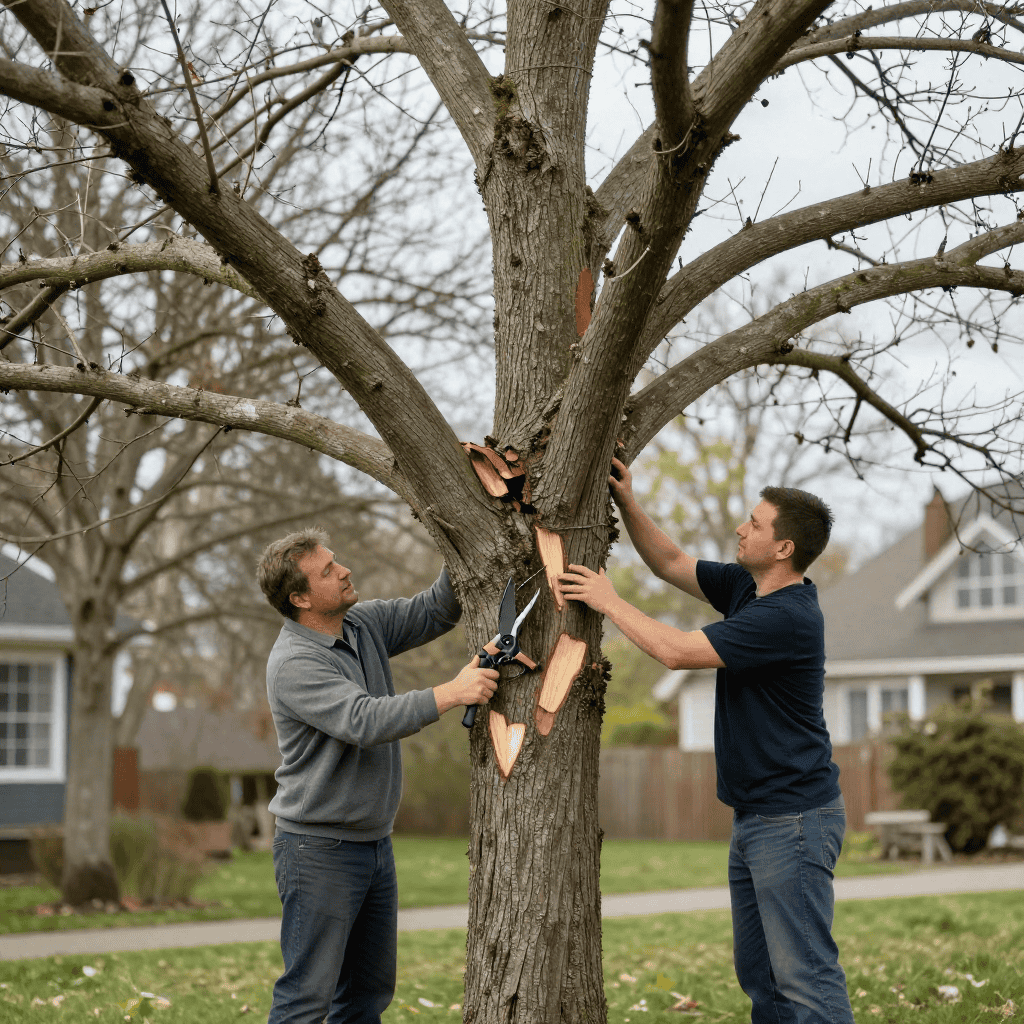
Traditional wound dressings are generally not recommended for most pruning cuts. Healthy trees form natural callus tissue that covers wounds. Dressings may interfere with this process and are typically only used in specific situations where research supports their use.
Support Systems
Cabling or bracing may be appropriate for specific structural situations. These systems require proper installation and regular inspection. Consult with qualified professionals for structural support needs.
Disposal Materials
Plan for disposal of pruned material. Options include composting, chipping, or removal depending on material type and local regulations. Diseased material should be disposed of appropriately to prevent spread.